
Welcome to our Snowboarding Gear Hub!
Snowboarding is one of the most rewarding sports on the planet, but let’s be honest—getting your setup dialed in can feel like a lot to take in at first. Between boot sizing, binding flex, and layering for cold days, every piece of gear plays a part in how much fun you have out on the mountain.
Our goal here is simple: we want to help you make informed gear choices so you can spend less time adjusting your equipment and more time enjoying the ride.
Through years of riding and coaching students of all skill levels, we’ve learned how much the right setup can unlock your progression and build your confidence on the slopes. Whether you’re trying to eliminate boot pain, match your binding flex to your board, or stay warm and dry through a full powder day, these guides are here to support you every step of the way.
Quick navigation:
Snowboard Boots: Sizing, Fit & Beating Foot Pain
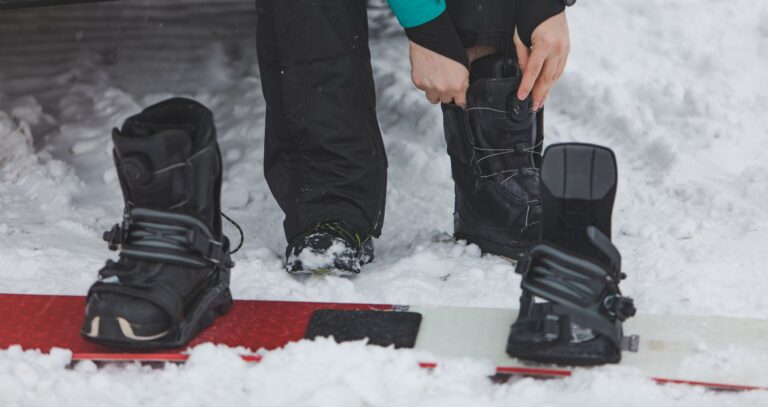
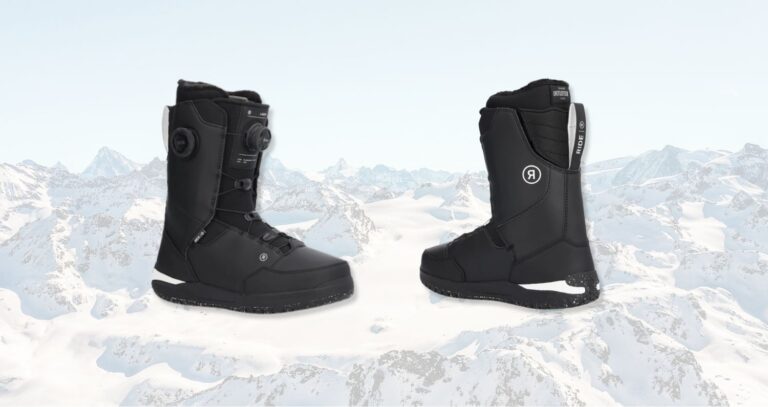
Your boots are easily the most important piece of gear you’ll ever strap into. They are your primary steering wheel on the mountain, transferring every subtle shift of weight from your ankles and shins straight down into your bindings and edges.
When your boots fit right, turning feels intuitive and effortless. When they don’t, you end up battling arch cramps, numb toes, and brutal fatigue that cuts your day short.
The #1 sizing trap: The “pack-out” effect
The most common mistake we see on the hill is riders buying boots that feel like plush, roomy running shoes right out of the box in the store.
The Problem: Snowboard boot foam liners permanently compress and expand—a process called packing out—after 5 to 10 days of riding.
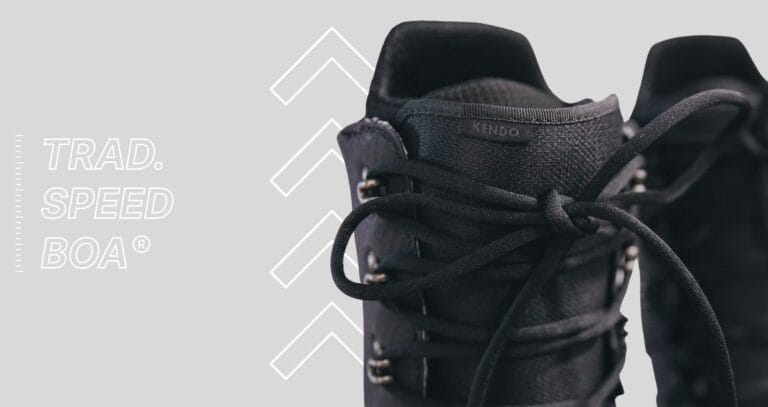
The Result: A boot that felt “comfortable and loose” in the shop becomes sloppy on the hill. Your heel begins to float during toe-side turns. To compensate, you crank the laces or BOA dials until they cut off circulation, causing burning arches and numb feet.
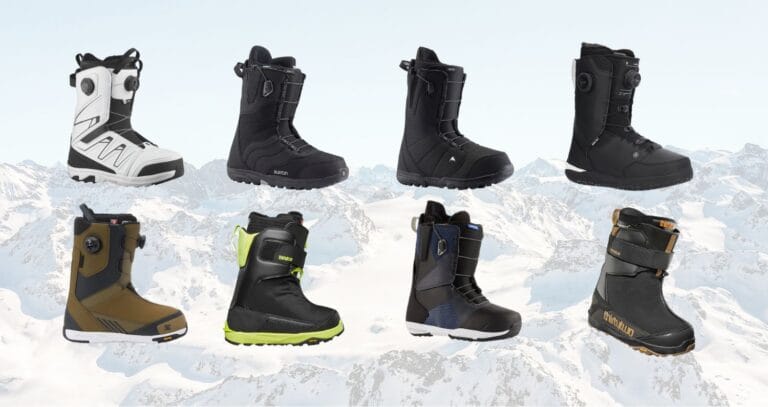
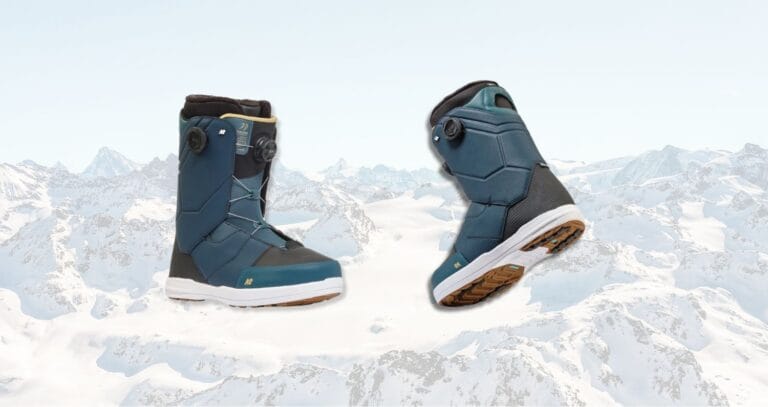
Essential boot guides and reviews:
Snowboard Bindings: Flex Matching & Response
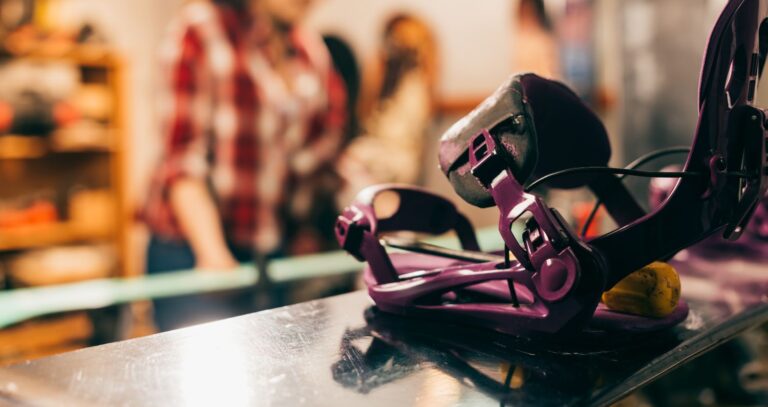
Bindings are the crucial bridge connecting your boots to your board’s sidecut. If your binding flex doesn’t match the stiffness of your board and boots, your movements get lost in translation.
- Soft Bindings (Flex 1–4/10): Flexible highbacks that let you tweak grabs and forgive balance wobbles at slower speeds. Great for park riding and beginners finding their balance.
- Medium Bindings (Flex 5–7/10): The versatile “sweet spot.” Delivers predictable power transfer for carving groomers, dipping into trees, and hitting side features.
- Stiff Bindings (Flex 8–10/10): High-response composite or carbon highbacks. Instantaneous energy transfer to your edges—ideal for high-speed charging, steep freeride lines, and deep carving.
Essential binding guides and reviews:
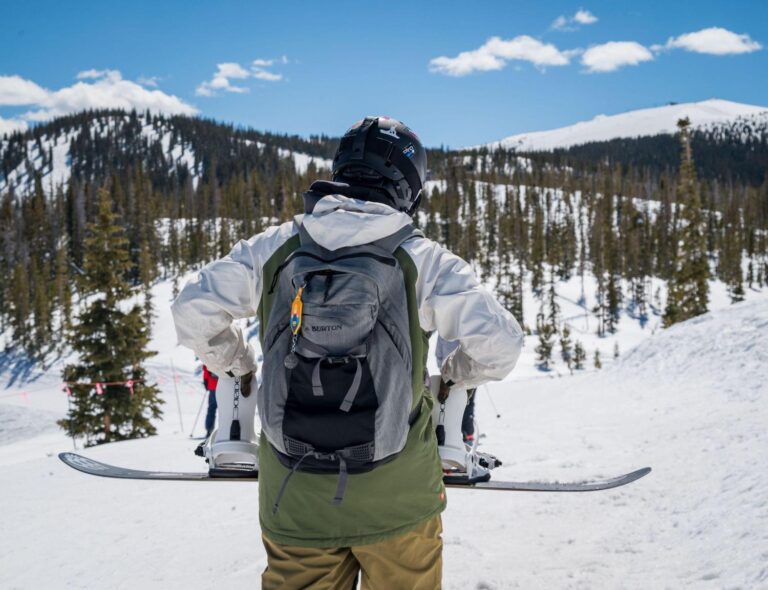
Outerwear & Mountain Protection: Layering, Vision & Safety
Staying warm, dry, and seeing clearly is what keeps you out on the hill making laps all day long. A soggy shell or fogged-up goggle lens can ruin a dream powder day faster than bad snow.
1. The three-layer system
- Base Layer (Moisture Management): Synthetic or merino wool layers that pull sweat away from your skin so you don’t chill on the chairlift.
- Mid Layer (Insulation): Fleece or lightweight puffy jackets that trap warm air when the temperature drops.
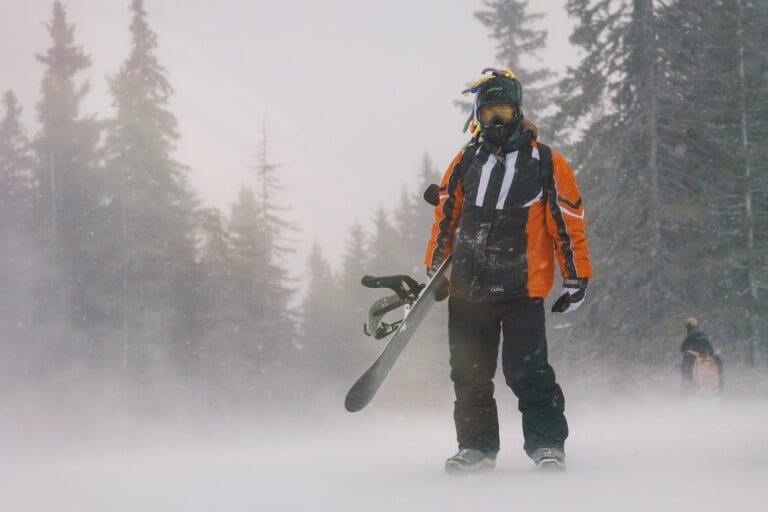
- Outer Shell (Weatherproofing): Waterproof and breathable shells (10k to 20k+ or Gore-Tex) that keep snow and wind out while letting excess heat vent.
2. Clear optics & flat light visibility
If you can’t see terrain bumps, you can’t ride them smoothly. Choosing goggle lenses with the right VLT (Visible Light Transmission) and proper ventilation keeps your view fog-free on stormy storm cycles and sunny spring afternoons alike.
3. Progressive protection
Wearing well-fitted protection isn’t just about safety—it builds confidence so you can try new turns and features without fear:
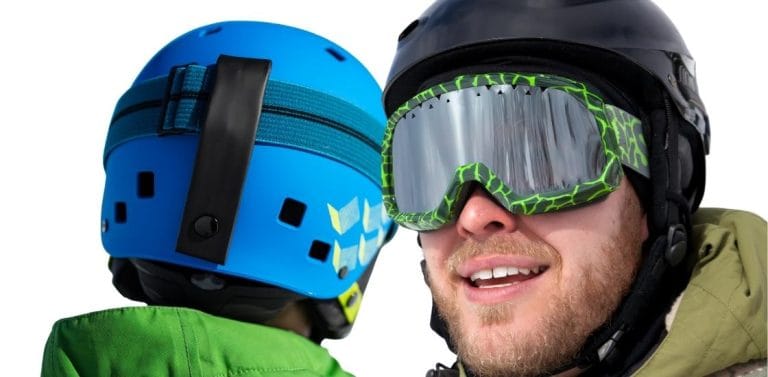
- MIPS Helmets: Designed to reduce rotational forces on impact while integrating smoothly with your goggles to eliminate forehead chill (the “gaper gap”).
- Low-Profile Wrist Guards: Low-bulk designs that slide cleanly under your gloves without restricting movement.
- Impact Shorts: Flexible tailbone and hip padding that cushions falls while learning edge transitions or hitting the park.
Essential outerwear and safety guides
Outerwear
Protection/Safety
About the Authors

Graham Sinclair — Certified Snowboard Instructor & Lead Writer
Graham Sinclair is a certified snowboard instructor and gear testing enthusiast at Snowboard Selector. Having coached hundreds of students across every skill level, he focuses on how equipment setup directly supports natural body mechanics and turning progression. Every guide and tool he builds is rooted in hands-on teaching experience, biomechanics, and real student feedback on the slopes.

Graeme Gibson — Founder of Snowboard Selector
Graeme Gibson is a lifelong rider who created Snowboard Selector to provide a clear, hype-free resource riders can genuinely trust. Having experienced almost every gear-sizing mistake and boot-fit frustration firsthand over years of riding all kinds of terrain, Graeme collaborates with professional instructors to simplify complex equipment dynamics into practical, actionable advice.
Have a question about pairing your boots to your bindings, or dialing in your board setup? Drop us a line on our Contact Page or dial in your dimensions with the Snowboard Size Calculator!
