
Wherever You Are In Your Snowboarding Journey, Start Here
I’m buying my first board
Learn the fundamentals of snowboard sizing, shapes, flex and profiles so you understand what you’re looking at.
I’m ready to upgrade
Understand when it’s time to move on from your beginner board and what to look for as your riding progresses.
I know what I want…
Browse our snowboard recommendations by riding style, terrain and ability level.
How to Choose a Snowboard: An Instructor’s Guide to Buying Right
Choosing the right snowboard doesn’t have to be complicated. When deciding which snowboard to get there are a ton of different factors to consider. From the shape and flex of the board to the cost and compatibility with bindings. It can be pretty overwhelming, especially if you’re a beginner just starting out. Thankfully, we have a ton of resources on this page to help you out in choosing a snowboard.
Our guides break down snowboard sizing, profiles, shapes and riding styles into practical advice that’s easy to understand. Whether you’re buying your first snowboard or upgrading to match your progression, we’re here to help you make an informed decision based on rider physics—so you can buy once and ride with confidence.
Snowboard Sizing and Fit
Choosing the right snowboard length will have a huge effect on how enjoyable your ride is. The old rule that a snowboard should “come up to your chin” is outdated and leads riders into buying the wrong gear.
Snowboards don’t know how tall you are; they only react to body weight, force, and edge pressure. Sizing is based on factors such as your weight, boot size, ability level, and riding goals or style. If you are heavy for your height, a “chin-high” board will wash out on firm turns and sink in powder. If you have size 11+ boots, board waist width matters far more than board length to prevent toe and heel drag. The right sized snowboard will ensure you can maintain control, stability, and overall performance on the slopes.
Find your ideal snowboard size
Choosing the right snowboard for you helps you progress quicker and have more fun riding! Our Snowboard Size Calculator gives you a personalised starting point, helping you narrow your options before comparing boards.
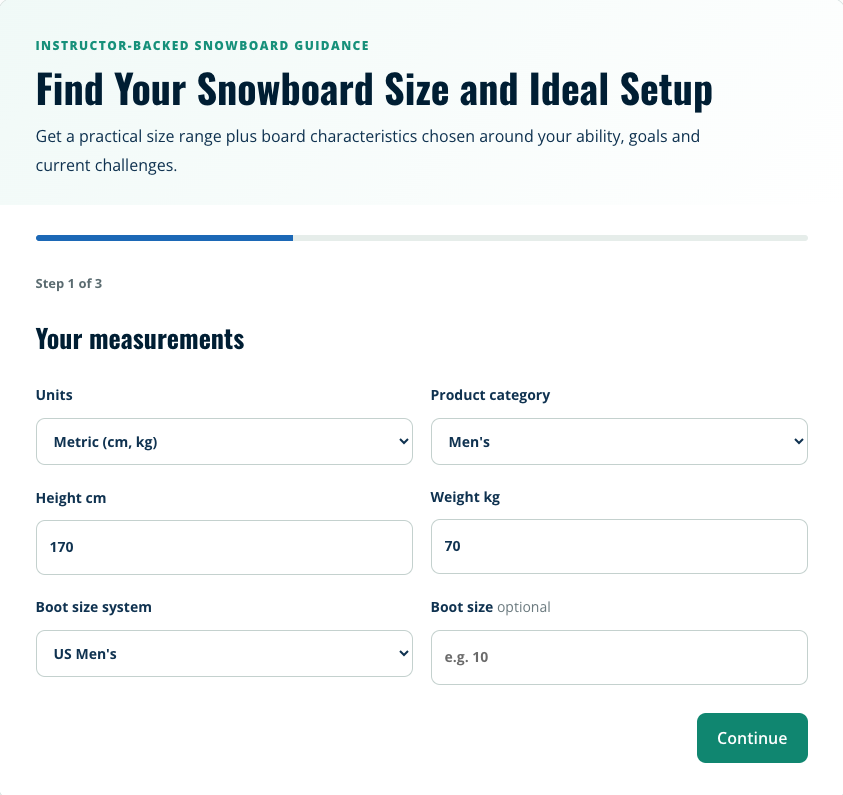
Choosing the right snowboard for you helps you progress quicker and have more fun riding!
Check out some of our essential size and fit guides:
Snowboard Shape and Profile
Snowboards come in all different shapes and sizes to suit different riding styles and riding conditions. The basic categories they fall under are beginner boards, all-mountain, freestyle, and freeride/powder boards.
Different snowboards can feel very different to ride. The shape and camber alter the way a snowboard handles when you’re riding. By blending these factors, snowboard brands create boards that suit all styles and levels.
1. Board Profile (Camber vs. Rocker vs. Hybrids)
- Traditional Camber: Curves upward in the center, forcing contact points into the snow. Delivers maximum pop and edge hold on hardpack, but “catchy” if your timing is off during edge transitions.
- Rocker & Hybrids: Lifted tips prevent unexpected edge snags (“scorpions”), making them forgiving and ideal for building confidence during early edge-to-edge turning.
2. Board Shape (True Twin vs. Directional)
- Directional & Directional Twin: Set-back stance with a longer nose. Provides effortless float in powder and superior stability at speed.
- True Twin: Symmetrical tip and tail with a centered stance. Ideal for freestyle, park riding, and beginners learning to ride switch.
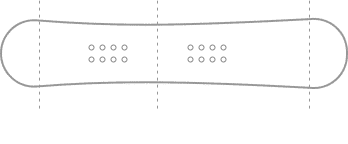
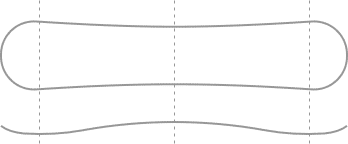
Useful shape and profile guides:
Which Snowboard Profile is Best for Beginners?
How to Choose the Right Snowboard Shape for Your Riding Style
Snowboard Flex and Progression
The length and flex of the snowboard are major components in how your board responds on snow. Snowboard flex isn’t just soft vs. stiff—it dictates how easily you can bend the board into a turn (longitudinal flex) and twist it between your feet (torsional flex).
Soft vs. stiff flex breakdown
- Soft Flex (1–4/10): Soft flex is forgiving and easier to maneuver at low speeds, making it a great choice for beginner snowboards or park setups.
- Stiff Flex (7–10/10): A stiffer flex provides stability at high speeds, powerful response, and precise edge control on carving or powder boards, but punishes bad technique or out-of-balance weight distribution.
Navigating skill progression
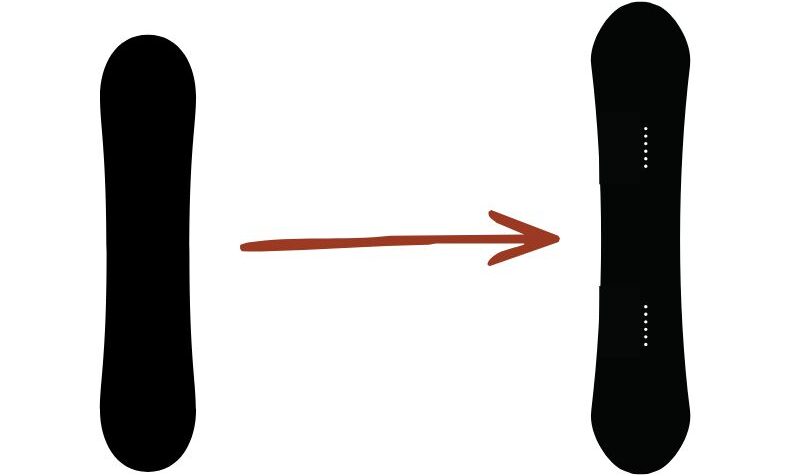
For example, a beginner snowboard could have a directional twin shape, some rocker camber in the tip and tail, a shorter length, and a soft flex. A carving board could have a directional shape, a full camber profile, a longer length, and a stiff flex. Understand when it’s time to move on from your beginner board and what to look for as your riding progresses.
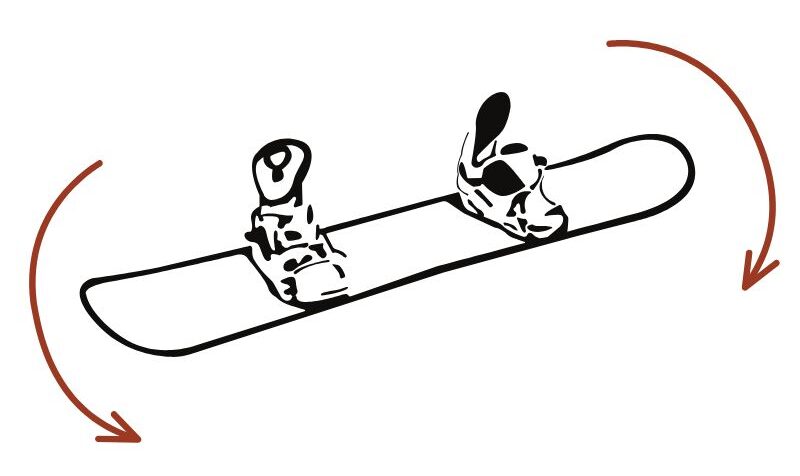
Some additional progression guides:
Terrain-Specific Board Recommendations
Frequently Asked Questions (FAQs)
About the Authors

CASI Lvl 3, Park Lvl 1, CASI Evaluator
Graham Sinclair — Certified Snowboard Instructor & Lead Writer
Graham Sinclair is a certified snowboard instructor and gear testing enthusiast at Snowboard Selector. Having coached hundreds of students across every skill level, he focuses on how equipment setup directly supports natural body mechanics and turning progression. Every guide and tool he builds is rooted in hands-on teaching experience, biomechanics, and real student feedback on the slopes.

BASI Lvl 4, Brevet Fédéral (Swiss)
Graeme Gibson — Founder of Snowboard Selector
Graeme Gibson is a lifelong rider who created Snowboard Selector to provide a clear, hype-free resource riders can genuinely trust. Having experienced almost every gear-sizing mistake and boot-fit frustration firsthand over years of riding all kinds of terrain, Graeme collaborates with professional instructors to simplify complex equipment dynamics into practical, actionable advice.
Have a question about pairing your boots to your bindings, or dialing in your board setup? Drop us a line on our Contact Page or dial in your dimensions with the Snowboard Size Calculator!
